Last updated:
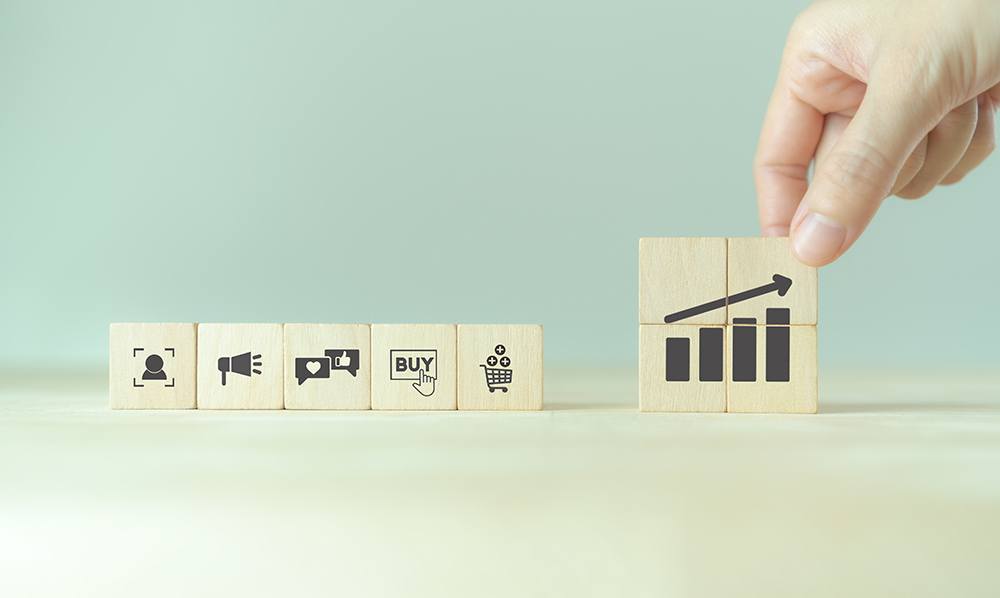
To design a reporting dashboard for your rewards program, you need to:
If you’re using loyalty program software, it should have in-built reporting features. But you might want to combine that with other sales metrics to make a broader dashboard.
For a loyalty program dashboard, defining clear goals and key metrics is where you start. This dashboard will show you how well your program is doing.
Your dashboard should reflect goals that help your business grow. This could be increasing sales or making sure customers come back.
You should also track metrics that are specific to your rewards program. These include getting more sign-ups or boosting how often customers use their rewards.
KPIs are the numbers your dashboard will display. They help you see if your loyalty program meets its goals.
Common reward program KPIs might be:
For each of these, you’ll want your reward program dashboard to compare members to non-members.
So far, you’ve defined the metrics you’ll use to judge the success of your rewards program. The next step is getting the data you need to accurately track those metrics.
For each metric, data will come from different sources.
Customer retention rate, for example, will need sales data from your ecommerce platform.
Net Promoter Score relies on survey data.
Customer lifetime value (CLV) is mostly sales data, but it also needs acquisition cost figures, which might come from specific marketing platforms (like Google Ads for PPC campaigns).
So first figure out what data you need for your goals. This might be sales numbers, how often customers come back, or how many rewards they use.
You can get data from:
Loyalty software usually shows basic info. Start here for data on how your program is doing.
For more detail, you might use an API or download data from the software.
Your ecommerce platform will tell you which customers have spent what. You can segment them by their rewards program membership to see how much of a difference your loyalty marketing is making to your key metrics.
Use online surveys to ask customers about your program. Tools like SurveyMonkey are good for this.
You can also use social media tools to get a sense of what people think of your brand. Tools like Hootsuite help you see what people say about your program online. This gives you direct feedback.
External data can show how your program stacks up to others. This is useful for seeing the big picture.
You can use market research data. Or, if you work with other businesses, share data with them. This can give more insights into your program’s reach.
Put all your data in one place, like a database. Tools like Microsoft Power BI or Tableau can help.
Keep your data clean and up-to-date. This means fixing mistakes and removing old data.
Make sure you’re following laws like GDPR. Use tools like OneTrust to help with this.
Keep your data safe. Use encryption and control who can see the data.
Google Analytics and CRM systems give insights into customer behavior. Use these to learn more about your customers.
With your metrics defined and your data sourced, you’re ready to build your reward program reporting dashboard.
First, know what your dashboard should do. It might help make decisions or help you unlock more loyalty marketing investment. Think about who will use it. It could be for you or your wider team (if you have one).
Keep it simple. A clean look is best. Use color to make important stuff stand out, but don’t go overboard. Arrange things so they make sense together. People should find information easily.
Choose charts that fit your data. Bar charts are good for showing sales. Line charts are great for tracking changes over time. Add interactive parts like filters. This lets users dig deeper into the data.
Pick a tool for making dashboards. Tableau, Microsoft Power BI, and Google Data Studio are some choices. Bring in your data from different places. Make the dashboard look like part of your brand.
Ask users what they think about the dashboard. Use their feedback to make it better. Keep the dashboard up to date. Change it as your business or data changes.
Think about adding smart predictions if you can. This might help see what could happen in the future.
And make sure only the right people can see your dashboard. Keep the data safe and follow privacy laws.
With LoyaltyLion’s analytics, you can segment your most valuable customers, invite high-value non-members to join your loyalty program and track key loyalty marketing metrics.
Ready to get started? Book a demo.








© Copyright 2026. All rights reserved.


.jpg)