Last updated:

In order to start seeing the effects of a health and wellness product, you typically need to use it regularly, over a sustained period of time. Adopting a new product into your routine can be challenging, especially when it requires habitual change.
For brands that support their customers along this journey, gently prompting usage of these new products as part of their lifestyles, there are plenty of benefits to be had.
This approach contributes to an enhanced customer experience where consumers feel supported and valued – driving brand loyalty and advocacy, encouraging repeat purchases, and increasing customer lifetime value.
But what does this strategy look like in practice?
Here are five ways health and wellness brands can improve loyalty and retention by helping their customers engage with lifestyle changes.
Email: an accessible, yet powerful, tool for health and wellness retailers to encourage successful product adoption and strengthen brand loyalty. Delivering targeted, timely and relevant content to customers’ inboxes post-purchase can help elevate the overall customer experience and increase retention.
Here are some tips to consider when planning your email strategy:
Creating an immersive app experience is a great way to help your customers track their product usage, whilst you support their overall health and wellness goals and foster long-term loyalty. Here’s how:
For a prime example of this in action, consider Australian smart fitness brand Vitruvian who sells an all-in-one home gym solution.
The brand offers customers a dedicated app alongside their physical product, promising a personalised and optimised workout experience. Within the app, users can create customised workouts tailored to their specific fitness goals, track performance progress, and even compete against other users in leaderboard challenges. This helps customers get the most out of the Vitruvian product, and in turn encourages stronger brand loyalty and advocacy.
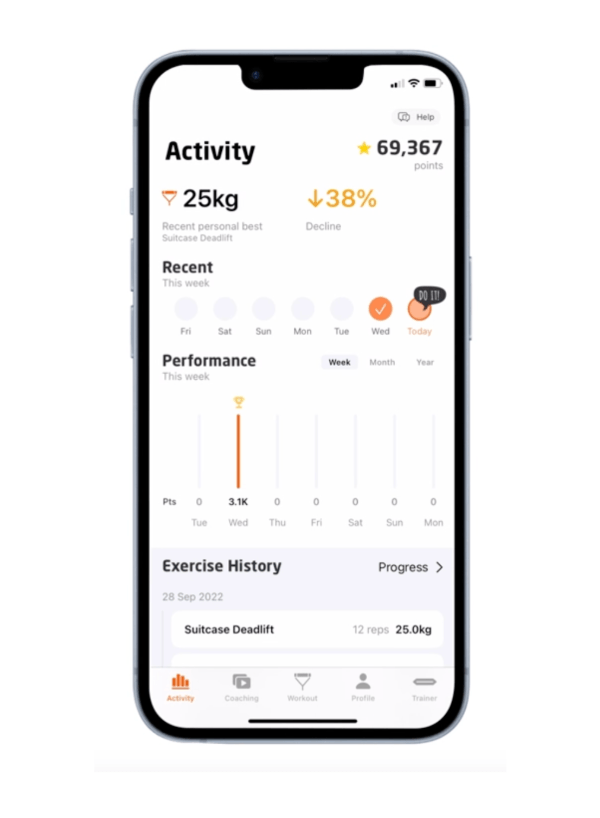
Loyalty programs that enable customers to visualise their progress and get rewarded for positive behaviours are another strategy for health and wellness retailers to consider.
Positive behaviours to reward could include things like:
The type of rewards you offer will ultimately depend on the type of brand you are and the products you sell, however, common examples include discounts on products, free shipping, early access to sales, and invites to VIP brand events. For some brands, introducing a loyalty collaboration with the likes of Sweatcoin could help incentivise positive health behaviours.
By creating a loyalty program that transcends simple transactions and instead fosters a sense of encouragement, brands can build stronger connections with their customers, drive healthier outcomes for their customers, and ultimately increase retention.
Offering personalised, data-informed product recommendations based on an individual’s goals (such as better sleep, reduced acne or increased protein intake) demonstrates your recognition of their health and wellness journey and makes them feel valued as a customer. Introducing customers to further beneficial products can help them achieve their goals, whilst encouraging additional purchases, increasing average order value, and strengthening loyalty.
Implementing this approach might look like:
Popular skincare solutions brand Dr Sam’s leverages this approach to help its customers achieve and maintain their skincare goals. In its personalised, post-purchase email communications, the brand suggests complementary products that will boost the results of your initial purchase.
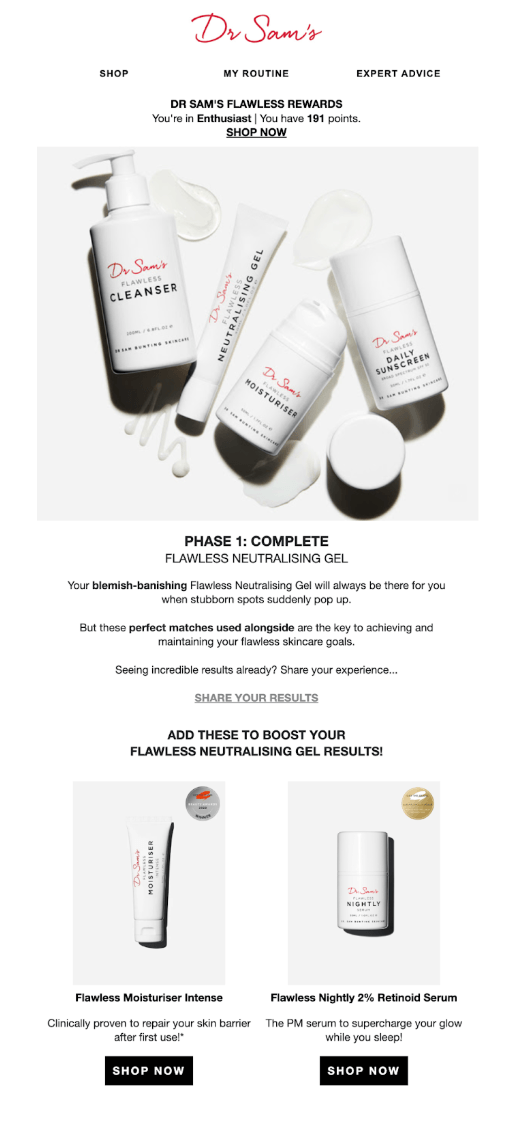
Providing a helpful and relevant recommendation to improve a customer’s routine and help them achieve their goal faster can translate to repeat purchases, stronger brand-consumer relationships and improved retention.
Capturing and activating behavioural data from wearable devices allows brands to create a holistic ecosystem that better supports customers’ overall health and wellness goals. It enables a comprehensive view of a consumer’s wellness journey, unlocking a whole host of opportunities for motivating lifestyle change whilst fostering loyalty.
Examples of this include:
For instance, imagine a customer of a fitness brand shifts from a regular swimming routine to boxing-based workouts, and this gets logged in their wearable fitness device (data from which is captured by the brand). This would be a smart time for the brand to start promoting their combat fitness collection to the customer, as well as sharing any helpful content aimed at boxing beginners.
By serving up relevant content and recommendations, you’re illustrating an ability to support the customer as their health and wellness journey evolves, making them feel valued and more likely to continue shopping with your brand for the long-term.
There are so many ways that health and wellness retailers can build supportive, engaging brand experiences for consumers. Those that do can enjoy better brand recognition, higher consumer advocacy, and increased lifetime value metrics.
To discuss any of the themes in this article with the team at Swanky, please reach out to our friendly ecommerce experts. We offer a full suite of digital services to help international health and wellness brands get their ecommerce stores in the best shape possible.










© Copyright 2026. All rights reserved.


.jpg)